
“optiondiv4” In the rapidly evolving digital world, new tools, platforms, and technical terms emerge constantly. One such term that has started gaining attention in online communities is optiondiv4. Whether you encountered it in programming discussions, software configurations, or online tech forums, understanding optiondiv4 can help you stay ahead in the modern technology landscape.
Table of Contents
This comprehensive guide explores optiondiv4, explaining what it is, how it works, its potential applications, and why it is becoming increasingly relevant in 2026. By the end of this article, you will have a clear understanding of optiondiv4 and how it might impact digital workflows, development environments, and modern systems.
What Is OptionDiv4?
Optiondiv4 refers to a technical configuration or parameter commonly associated with software systems, development environments, or configuration frameworks. While the exact meaning may vary depending on context, optiondiv4 is typically used to define a specific operational setting within a system.
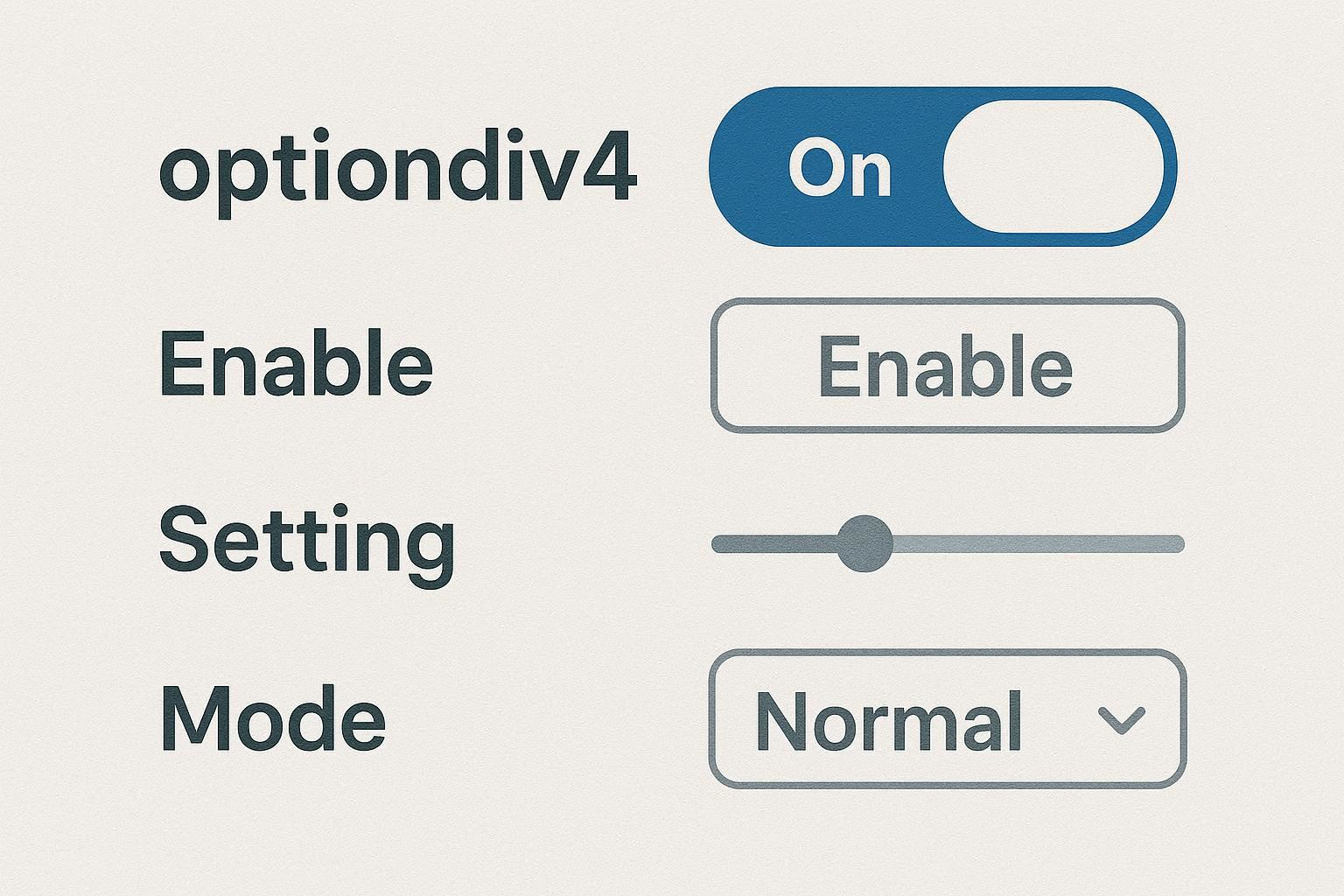
In simple terms, optiondiv4 acts like a control switch or configuration flag that influences how certain processes behave. Developers and system administrators often rely on such options to customize performance, enable features, or adjust internal operations.
Think of optiondiv4 as a setting in a complex system—similar to turning on or off a feature inside an application dashboard.
Key Overview of OptionDiv4
| Feature | Description |
|---|---|
| Keyword | optiondiv4 |
| Category | Technical Configuration / System Option |
| Common Usage | Software settings, development frameworks, backend systems |
| Main Purpose | Control specific system behavior |
| Relevance in 2026 | Growing interest in modular configuration systems |
This table highlights the core idea behind optiondiv4 and why developers may encounter it in modern software environments.
Why OptionDiv4 Is Gaining Attention in 2026
Technology evolves quickly, and many developers are adopting modular configuration systems. These systems rely heavily on configuration flags like optiondiv4 to control behavior without rewriting large portions of code.
Several trends explain the growing interest in optiondiv4:
1. Increased Use of Modular Systems
Modern applications are built using modular architecture. This means different features can be enabled or disabled through configuration parameters such as optiondiv4.
2. Flexible Software Development
Developers prefer systems that allow easy customization. Instead of modifying core code, they use configuration options like optiondiv4.
3. Automation and DevOps
Automation pipelines often rely on configuration parameters. Optiondiv4 may be used in scripts or system settings to control automated workflows.
4. Performance Optimization
Some configurations help optimize system performance. In certain environments, optiondiv4 may determine how resources are allocated.
Core Functions of OptionDiv4
Understanding the functions of optiondiv4 helps developers and system administrators utilize it effectively.
System Behavior Control
One of the most common purposes of optiondiv4 is controlling how a system behaves. This may include enabling advanced functions, controlling logging mechanisms, or adjusting performance settings.
Feature Activation
Some software frameworks allow features to be turned on or off through configuration settings. Optiondiv4 may act as a toggle for a particular functionality.
Environment Configuration
In development environments, settings like optiondiv4 help differentiate between testing, staging, and production environments.
Debugging and Monitoring
Developers often activate debugging tools through configuration options. In some cases, optiondiv4 might be used to enable deeper monitoring or debugging modes.
How OptionDiv4 Works in Modern Systems
To understand optiondiv4, it helps to look at how configuration systems operate.
Most modern applications rely on configuration layers that determine how the application behaves at runtime.
A typical workflow involving optiondiv4 might look like this:
- The developer defines optiondiv4 in a configuration file.
- The system reads the configuration during startup.
- Depending on the value of optiondiv4, certain features are enabled or disabled.
- The system runs according to those defined parameters.
This approach allows developers to adjust system behavior without changing the core codebase.
Example Use Case of OptionDiv4
Below is a simplified example showing how a configuration option like optiondiv4 might appear in a system.
| Configuration Setting | Value | Result |
|---|---|---|
| optiondiv4 = true | Enabled | Advanced feature activated |
| optiondiv4 = false | Disabled | Feature remains inactive |
| optiondiv4 = debug | Debug mode | Extended logging enabled |
This table illustrates how optiondiv4 may influence system behavior based on different values.
Advantages of Using OptionDiv4
Using configuration options such as optiondiv4 provides several advantages for developers and system administrators.
Flexibility
Configuration parameters allow systems to adapt quickly to new requirements without major code changes.
Easier Maintenance
Maintaining large software systems becomes easier when settings like optiondiv4 control different behaviors.
Faster Development
Developers can experiment with different configurations without rewriting entire modules.
Improved Scalability
Modern cloud-based applications rely heavily on configuration management. Options like optiondiv4 make scaling systems easier.
Potential Limitations of OptionDiv4
While optiondiv4 can be useful, it also has potential challenges if not managed properly.
Configuration Complexity
Large systems may contain hundreds of configuration parameters. Managing them can become complex.
Misconfiguration Risks
If optiondiv4 is set incorrectly, it could lead to unexpected system behavior.
Documentation Issues
Sometimes configuration parameters lack proper documentation, making them difficult for new developers to understand.
Best Practices for Using OptionDiv4
If you are working with systems that include optiondiv4, following best practices can help avoid problems.
Document Every Configuration
Always document the purpose of optiondiv4 in configuration files or project documentation.
Use Clear Naming Conventions
If you are designing configuration parameters, ensure names like optiondiv4 clearly reflect their purpose.
Test Before Deployment
Always test configuration changes before applying them in a production environment.
Monitor System Behavior
After changing optiondiv4, monitor system logs and performance metrics.
OptionDiv4 in Modern Development Environments
Modern development frameworks often rely on configuration-driven design. This means much of the system behavior is defined through settings instead of hard-coded logic.
In this context, optiondiv4 may appear in:
- Backend configuration files
- API frameworks
- DevOps automation pipelines
- Server management tools
- Containerized application setups
For developers working with cloud infrastructure or microservices, understanding configuration options like optiondiv4 is increasingly important.
Future of OptionDiv4 and Configuration-Based Systems
The role of configuration parameters like optiondiv4 is expected to grow as technology continues to evolve.
Several trends support this prediction:
Rise of Microservices
Microservices architecture depends heavily on configuration-based management.
Infrastructure as Code
Tools that automate infrastructure rely on configuration parameters similar to optiondiv4.
Cloud-Native Applications
Cloud platforms prioritize flexible configuration systems that allow quick changes without downtime.
AI-Assisted Development
Future development tools may automatically suggest configuration options like optiondiv4 to optimize performance.
When Should You Use OptionDiv4?
You should consider using optiondiv4 when:
- You need a flexible system configuration.
- Features must be enabled or disabled quickly.
- Your application runs in multiple environments.
- You want to avoid frequent code changes.
By leveraging configuration parameters effectively, teams can maintain stable systems while still allowing rapid innovation.
Conclusion
The growing importance of configuration-driven systems has made parameters like optiondiv4 increasingly relevant in modern software development. While it may appear to be just a small configuration option, optiondiv4 can significantly influence how a system behaves, performs, and adapts to changing requirements.
By understanding the role of optiondiv4, developers and system administrators can build more flexible, scalable, and maintainable systems. As technologies such as cloud computing, microservices, and automation continue to expand, configuration parameters like optiondiv4 will likely play an even bigger role in shaping the future of software architecture.
Frequently Asked Questions (FAQs)
1. What does optiondiv4 mean?
Optiondiv4 typically refers to a configuration parameter used within software systems to control specific features or operational behavior.
2. Where is optiondiv4 commonly used?
You may encounter optiondiv4 in configuration files, development frameworks, server settings, or automated deployment systems.
3. Is optiondiv4 related to programming?
Yes. Optiondiv4 is often associated with programming environments and software configuration systems used by developers and system administrators.
4. Can optiondiv4 affect system performance?
Depending on how it is used, optiondiv4 may influence system behavior, resource allocation, or debugging settings, which can indirectly affect performance.
5. Why is optiondiv4 important for developers?
Developers use configuration options like optiondiv4 to control application features without modifying core code, making development faster and more flexible.